
 CN/中国
CN/中国  US/USA
  KR/Korea
  DE/Germany
  ES/Spain
 VN/Việtnam
Recently, many Amazon sellers received a notice about the WEEE registration requirements:
Dear seller,
The complaint we have received your product that does not comply with the 2013rd article ("WEEE ordinance") of the abandoned electrical and electronic equipment regulations.
Amazon's requirements for WEEE registration include:
※ products and product information.
※ Producer Responsibility.
※ Dealers' obligations.
All Electronic and Electrical Equipment (EEE) placed onto the market in Europe must be marked with this symbol to indicate that they are covered by the WEEE Directive, which imposes a number of obligations on producers of EEE including obligations relating to the financing of the take-back treatment and recycling of end of life equipment (WEEE):
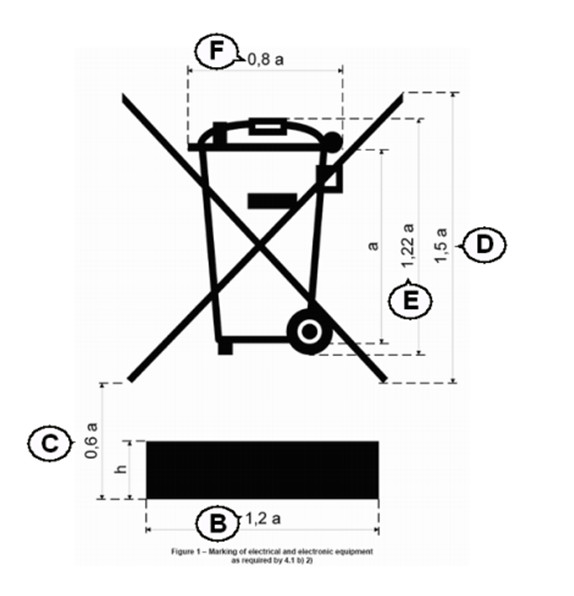
If you want to dispose of used electrical or electronic equipment please note that you can't do this through the regular household waste. You can dispose of old electrical or electronic equipment at your local waste facilities or recycling centres. Please contact your local authority directly for more information.
Moreover, if you purchased your product from a Marketplace Seller, please contact that Seller to know more about the compliance solution they have in place for disposing of your old electronic equipment and batteries.
If you're recycling a device such as a computer, mobile phone, camera or other electronic device, you should erase all personal or confidential data. Also be sure to erase any personal or confidential data on any storage device such as a memory or SIM card. Amazon won't be liable for any data on your device.
What is the WEEE Directive?
The production of electrical and electronic equipment is one of the fastest growing domains of manufacturing in the western world, and with broad consumer take-up of products in this area, there is also a mounting issue of waste. In June 2000, the European Commission put forward proposals to address this issue, and in December 2002 these were passed as the EU Waste Electronic and Electrical Equipment (WEEE) Directive. Such proposals were updated in the WEEE Directive 2012/19/EU.
The EU member states have since passed national laws implementing the WEEE Directive, putting specific requirements on producers and distributors of Electronic and Electrical Equipment (EEE).
The mayor provisions of the WEEE Directive are:
※ Producers participate in the financing of the take back, treatment and recycling of end-of-life equipment
※ To improve re-use/recycling of WEEE
※ To ensure the separate collection of WEEE
※ To inform the public about their role in dealing with WEEE
When you're ordering electronic and electrical articles on Amazon.co.uk to a European address outside of the UK, please consider that local regulations on the disposal of and recycling of electronic and electrical may vary. Below you'll find more information about the disposal and recycling facilities that Amazon.co.uk can offer you in a number of countries.
Which products fall under the legislation and how do I recognise them?
The WEEE Directive divides Electronic and Electrical Equipment into ten categories:
※ Category 1 - Large household appliances (fridges, cookers, microwaves, washing machines, etc.)
※ Category 2 - Small household appliances (vacuum cleaners, clocks, toasters, etc.)
※ Category 3 - IT and Telecommunications equipment (PCs, mainframes, printers, copiers, phones, etc.)
※ Category 4 - Consumer equipment (radios, hi-fi, musical instruments, videos, camcorders, etc.)
※ Category 5 - Lighting equipment (fluorescent tubes and holders, sodium lamps, etc.)
※ Category 6 - Electrical and electronic tools (drills, sewing machines, electric lawnmowers, etc.)
※ Category 7 - Toys, leisure and sports equipment (electric trains, games consoles, exercise machines, etc.)
※ Category 8 - Medical devices (analysers, dialysis machines, medical freezers, etc.)
※ Category 9 - Monitoring and control equipment (smoke detectors, thermostats, scales, etc.)
※ Category 10 - Automatic dispensers (hot drinks machines, sweet and chocolate bar dispensers, cash machines, etc.)
BACL Service